Redistribution, not creation
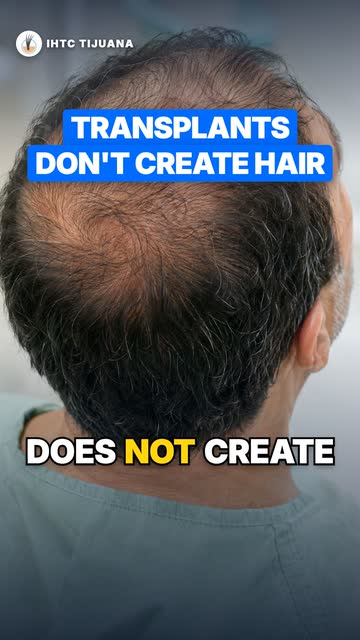
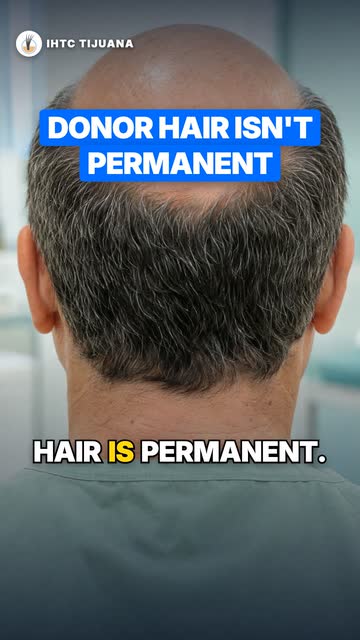
Think of a hair transplant as moving furniture, not buying new furniture. Follicles from the back and sides of your head, which resist the hormone that causes pattern baldness, are relocated to the front, top or crown. The total number of hairs on your head doesn't go up. They're simply moved to where they matter most for your look.
Why this makes your donor area so valuable
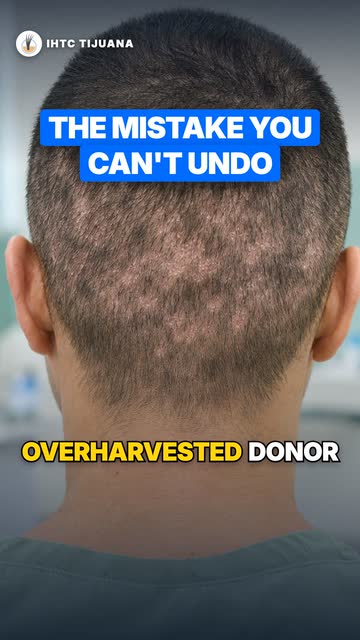
If hair can only be moved, the amount available to move becomes the most important number in your whole plan. Hair taken from the donor area doesn't grow back there. Use it badly, through overharvesting, cut follicles or grafts that dry out, and it's gone for good. That's why we say your donor area matters more than your hairline.
What this means for your expectations
- You won't get back the density you had at 18. But you don't need to: about half of your original density often looks full. Here's why.
- Priorities matter. The front of the head frames your face, so it usually gets priority. The crown can take a lot of grafts for less visual impact.
- Bigger hair loss means harder choices. With extensive loss, a good surgeon plans the most natural result possible with the grafts available, instead of promising full coverage everywhere.
How to judge a clinic with this in mind
A clinic that understands this talks first about your donor area, then about your goals. A clinic that leads with big graft numbers and "full density" promises, without examining the back of your head, is skipping the most important part of the conversation.
Ask these before anything else
They all come back to one thing: how much hair you really have.
- How many grafts can my donor area give in total?Your lifetime budget.
- What can I realistically expect with that amount?Coverage and density, honestly.
- Which areas should we prioritize?Front, top or crown, and why.
- How do you avoid wasting grafts?Extraction, storage and handling.
- What will remain for the future?Hair loss usually continues.
Frequently asked questions
Does a hair transplant grow new hair?
No. It moves existing follicles from a resistant donor area to thinning areas. Those follicles then keep growing hair in their new location.
Is hair cloning available?
Not as a clinical treatment today. It remains an area of research.
Will I get back all my hair?
Usually not all of it, but a well-planned transplant can give a natural, full-looking result with far fewer hairs than you originally had.
Why do clinics ask for a photo of the back of my head?
Because the donor area decides how many grafts are available. It's the starting point of any honest plan.
 A transplant won't stop your hair loss
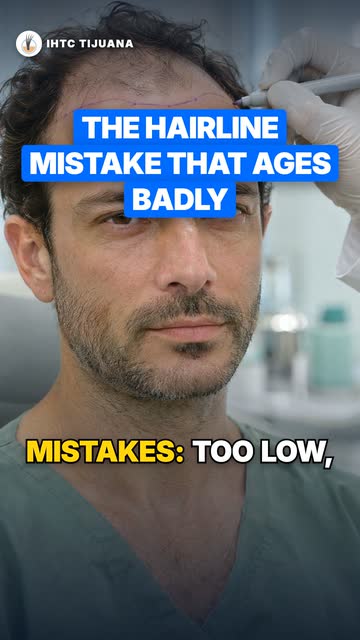 The hairline that looks great at 25 and wrong at 45
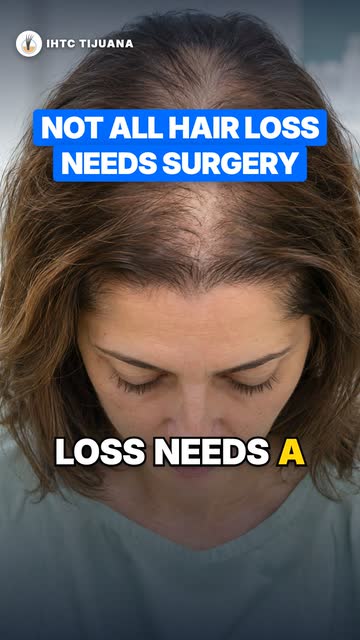 Not all hair loss needs surgery