Why transplanted hair stays
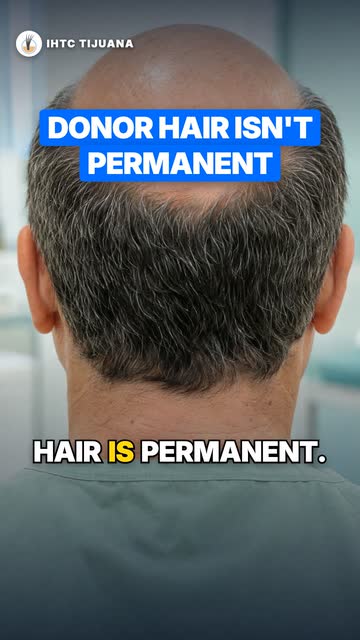
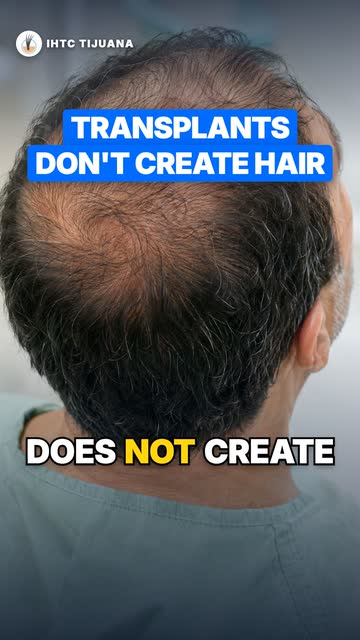
Pattern baldness happens because some follicles, usually on the top and front, are sensitive to DHT, a hormone derived from testosterone. Over time it shrinks them until they stop producing visible hair. Follicles on the back and sides are typically much less sensitive. When they're moved to the top, they keep that resistance. Surgeons call this donor dominance, and it's the reason hair transplants work at all.
But "permanent" doesn't mean "unlimited"
- The donor area is finite. It holds a fixed number of follicles, and only a portion can be taken before it looks thin.
- Density can drop with age. Some people experience thinning in the donor area too, which reduces what can safely be harvested.
- Everyone's supply is different. Density, hair thickness and the size of the safe zone vary a lot. Two people the same age can have very different budgets.
The 20-year plan
A good surgeon plans your first procedure with your future hair loss in mind:
- Estimate your total donor budget from a real examination.
- Predict where your loss is heading, using your pattern, age and family history.
- Prioritize the front, which frames the face, without spending everything at once.
- Keep a reserve for future thinning or a second session.
- Protect the hair you still have with medical treatment when appropriate. See why a transplant doesn't stop hair loss.

How a proper evaluation measures your donor
- Density: how many follicular units per square centimeter.
- Hairs per unit: more 2- and 3-hair units means more coverage per graft.
- Hair thickness and color: thick, dark or curly hair covers more with fewer grafts.
- Signs of miniaturization in the donor area, best seen with a trichoscope.
- Size of the safe zone, the area least likely to thin in the future.
Beard and body hair can sometimes add to the budget, mainly for the crown or for repairs, but they behave differently from scalp hair and aren't a replacement for planning.
Questions that reveal a long-term plan
If a clinic only talks about today's session, keep asking.
- How many grafts does my donor area have in total, approximately?Your lifetime budget, not just today's number.
- How much of it will this session use?And how much stays in reserve?
- Where do you expect my hair loss to be in 10 to 20 years?Your design should still make sense then.
- Do you see any thinning in my donor area?This changes what can safely be taken.
- What's the plan if I need a second session?A good clinic already has one.
Frequently asked questions
Is transplanted hair permanent?
Generally yes. Hair moved from the resistant donor area keeps its resistance to pattern baldness. Like all hair, it can still be affected by aging and other conditions.
How many grafts can I harvest in my lifetime?
It varies widely between people, based on donor density, area and hair characteristics. Only an examination can give you a realistic estimate.
Can I use beard or body hair?
Sometimes, as a supplement, mainly for the crown or repairs. It grows differently from scalp hair, so it's not a substitute for a well-planned scalp donor.
FUE or FUT, which uses the donor better?
Both can be done well. FUE leaves tiny dot scars, FUT a single linear scar. The best option depends on your donor area, how short you wear your hair and your goals. Read our technique comparison.

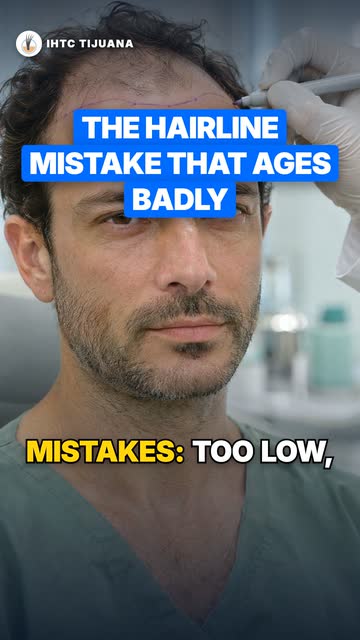 The hairline that looks great at 25 and wrong at 45
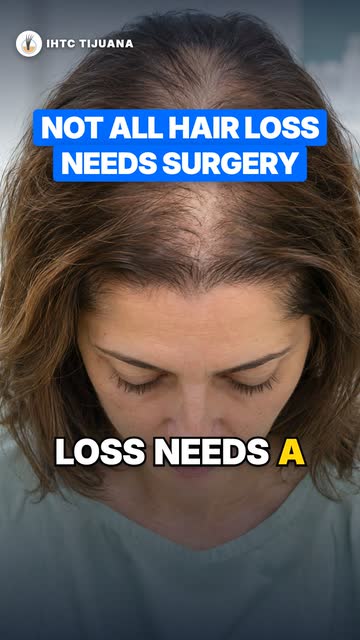 Not all hair loss needs surgery
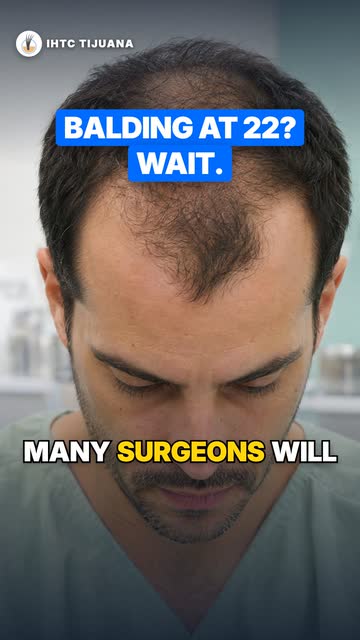 Balding at 22? Why a good doctor may tell you to wait