Why age changes everything
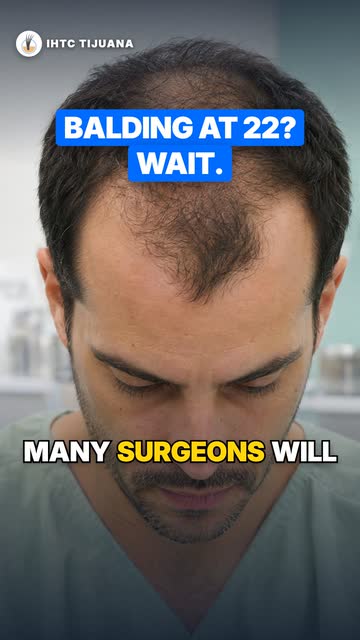
Pattern hair loss is progressive and unpredictable when it starts early. Someone who begins thinning at 21 may end up with mild recession, or with extensive loss by 35. Nobody can tell for sure from one visit, and the earlier and faster the loss starts, the harder it is to predict where it will stop.
The "island" problem
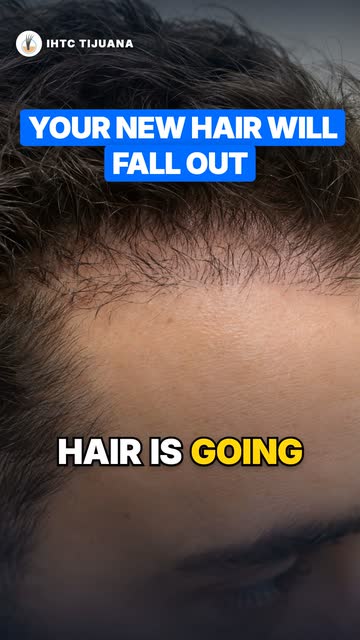
If a young patient gets a low, dense hairline and the hair behind it keeps receding, the transplanted hair ends up isolated: a strip of hair in front, thinning hair behind it. Fixing that means more grafts, from a donor area that's limited. See why donor hair isn't unlimited.
What to do instead
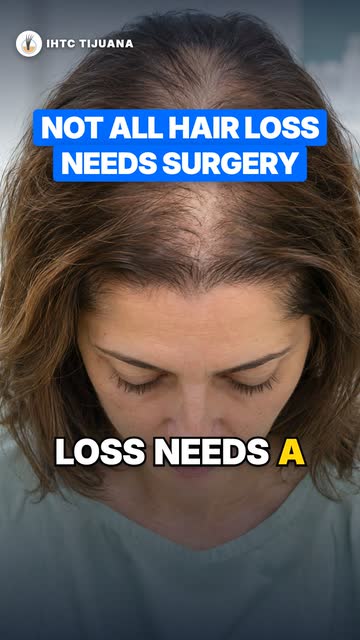
- Get a real diagnosis. Not all hair loss is pattern baldness. Stress shedding, alopecia areata and scarring alopecias need different treatment, and some shouldn't be operated on at all.
- Get examined with a trichoscope. Magnifying the scalp shows miniaturization and other signs your eyes can't see.
- Consider medical treatment to slow or stabilize the loss, prescribed and monitored by a doctor.
- Track your progress with photos in the same light every 6 months.
- Plan surgery when the pattern is clearer, with a conservative design that suits your face long term.

When surgery can make sense for younger patients
"Young" doesn't automatically mean "no". A transplant can be reasonable when the pattern is stable, expectations are realistic, the design is conservative, the donor supply is strong, and there's a plan for future loss. That decision should come from an evaluation, not a sales call.
Questions to ask if you're under 30
These separate a long-term plan from a quick sale.
- What exactly is my diagnosis?Pattern baldness, shedding or something else?
- How do you expect my hair loss to progress?Based on my age, pattern and family history.
- Should I treat medically before surgery?And for how long before deciding?
- If I do surgery now, how will it look if I keep losing hair?The design must survive future loss.
- How much donor hair will I have left for later?You'll probably need it.
Frequently asked questions
What's the minimum age for a hair transplant?
There's no single rule. Many surgeons are cautious with patients in their early twenties because the balding pattern isn't defined yet. Each case has to be evaluated individually.
Can medication stop hair loss in young men?
Medical treatment can slow or stabilize pattern hair loss in many people. It should be prescribed and monitored by a doctor who can discuss benefits and possible side effects.
What if my hair loss isn't pattern baldness?
Then a transplant may not be the right answer, at least not yet. Conditions like stress shedding or alopecia areata need medical treatment first. That's why diagnosis comes before surgery.
Will I need a second transplant later?
Younger patients are more likely to need more work later as hair loss progresses. A good first plan keeps donor reserves for that.

 Every graft is racing the clock
 Why closed temples look fake