The main types of hair loss
| Type | What it often looks like | Transplant? |
|---|---|---|
| Pattern hair loss (androgenetic alopecia) | Receding hairline, thinning crown in men; diffuse thinning on top in women | Often a good candidate, after evaluation |
| Stress shedding (telogen effluvium) | Sudden, diffuse shedding a few months after illness, surgery, stress or diet changes | No. Usually improves once the trigger is addressed |
| Alopecia areata | Round, smooth bald patches that can come and go | Generally no. It's an autoimmune condition treated medically |
| Scarring alopecias | Loss with inflammation, redness or shiny skin where follicles disappear | Only when the disease has been inactive, with specialist care |
| Traction alopecia | Loss along the edges from tight hairstyles | Sometimes, once the pulling has stopped |
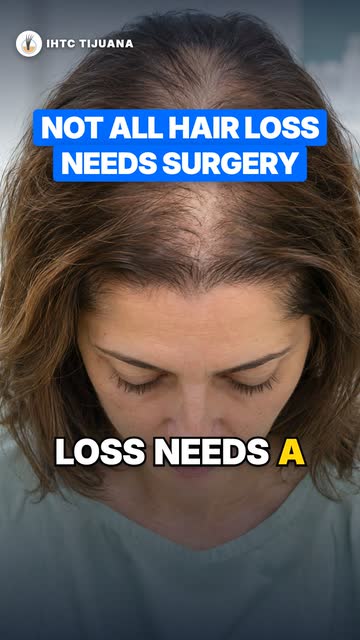
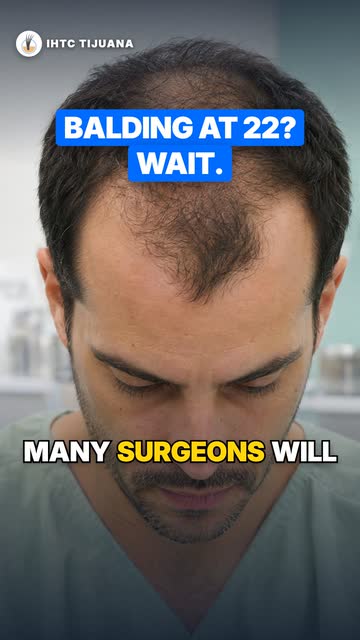
Why the diagnosis changes everything
Grafts placed into an area with active autoimmune or scarring disease may not survive. Grafts placed during a temporary shedding episode may be unnecessary, because the hair might have come back on its own. And grafts placed without treating active pattern loss may be left isolated as the hair around them keeps thinning.
How it's diagnosed
- History: when it started, how fast, family history, recent illness, stress, medications.
- Pattern: where the loss is, and whether it's diffuse or patchy.
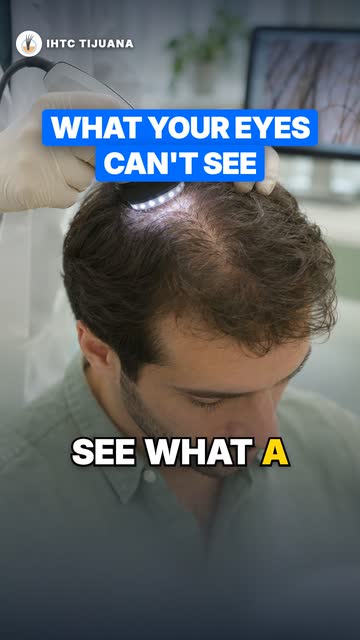
- Scalp exam with a trichoscope, which shows miniaturization, inflammation or missing follicle openings. Learn more about trichoscopy.
- Lab tests or a biopsy when something doesn't add up.
Ask before talking about grafts
The right treatment depends on the right diagnosis.
- What type of hair loss do I have?And how sure are you?
- How did you reach that diagnosis?History, pattern, trichoscopy, tests.
- Is my hair loss active right now?It changes the timing of any surgery.
- Do I need treatment before surgery?Sometimes that's the best first step.
- Am I a candidate at all?An honest clinic will sometimes say no.
Frequently asked questions
Can a hair transplant fix alopecia areata?
Generally no. It's an autoimmune condition that's treated medically, and transplanted hair can be affected too.
Can stress cause permanent hair loss?
Stress shedding (telogen effluvium) is usually temporary, though it can unmask pattern hair loss that was already developing.
Can women get hair transplants?
Some can, depending on the type of hair loss and the stability of the donor area. Female hair loss needs especially careful diagnosis.
What doctor diagnoses hair loss?
A dermatologist or a physician experienced in hair restoration, ideally using trichoscopy.
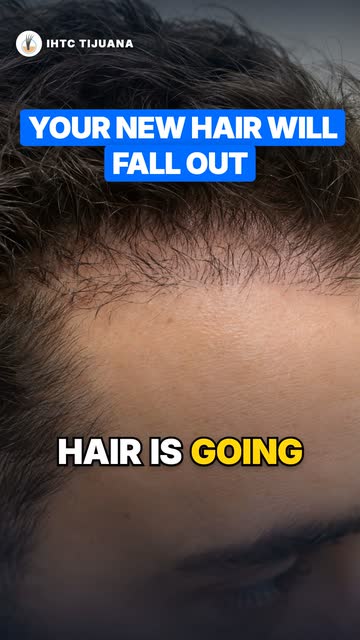 Your new hair WILL fall out. That's normal.
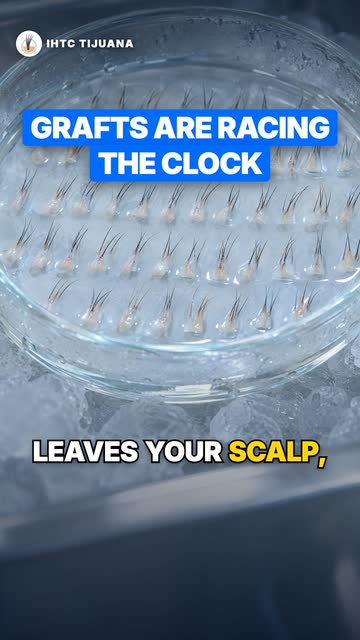 Every graft is racing the clock
 Why closed temples look fake