Mistake 1: too low
A low hairline can look great in the mirror at 25. But faces change, and hair loss continues behind the hairline. At 45, a juvenile hairline on a mature face looks out of place, and if the hair behind it thins, it becomes a line of hair with nothing behind it. Because transplanted hair is permanent, a hairline that's too low can't be moved up.
Mistake 2: too straight
No natural hairline is a straight line. Real hairlines have a soft, slightly irregular edge, small peaks and a gradual transition from fine hairs to denser ones. A ruler-straight line of thick grafts is the most common way people spot a transplant.
Mistake 3: too soon
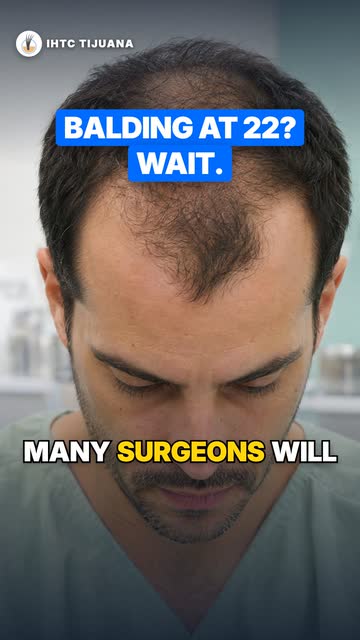
Designing a hairline before your balding pattern is clear means guessing. If you're very young, read why many surgeons say wait.
How a natural hairline is built


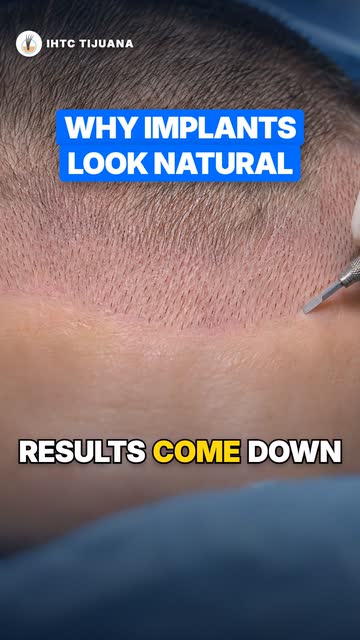
- Position from facial proportions. The face divides into thirds, and the hairline frames the top one. In adults it often sits about 7 to 8 cm above the glabella (the point between the eyebrows), but that's a starting point. Your face decides the final line.
- Keep the temple recess. A natural adult male hairline has a recess at each temple, the frontotemporal angle. Closing it completely looks feminine and uses up grafts you may need later.
- Fine grafts in front. Single-hair grafts create the soft edge, with thicker grafts behind them.
- Copy the natural angle. At the hairline, hair grows forward at about 15 to 20 degrees to the skin. At the temples it lies almost flat. Grafts placed straight up look like doll hair.
- Soft irregularity. Small micro-irregularities and a feathered transition zone, never a hard border.
How Dr. Yáñez designs hairlines
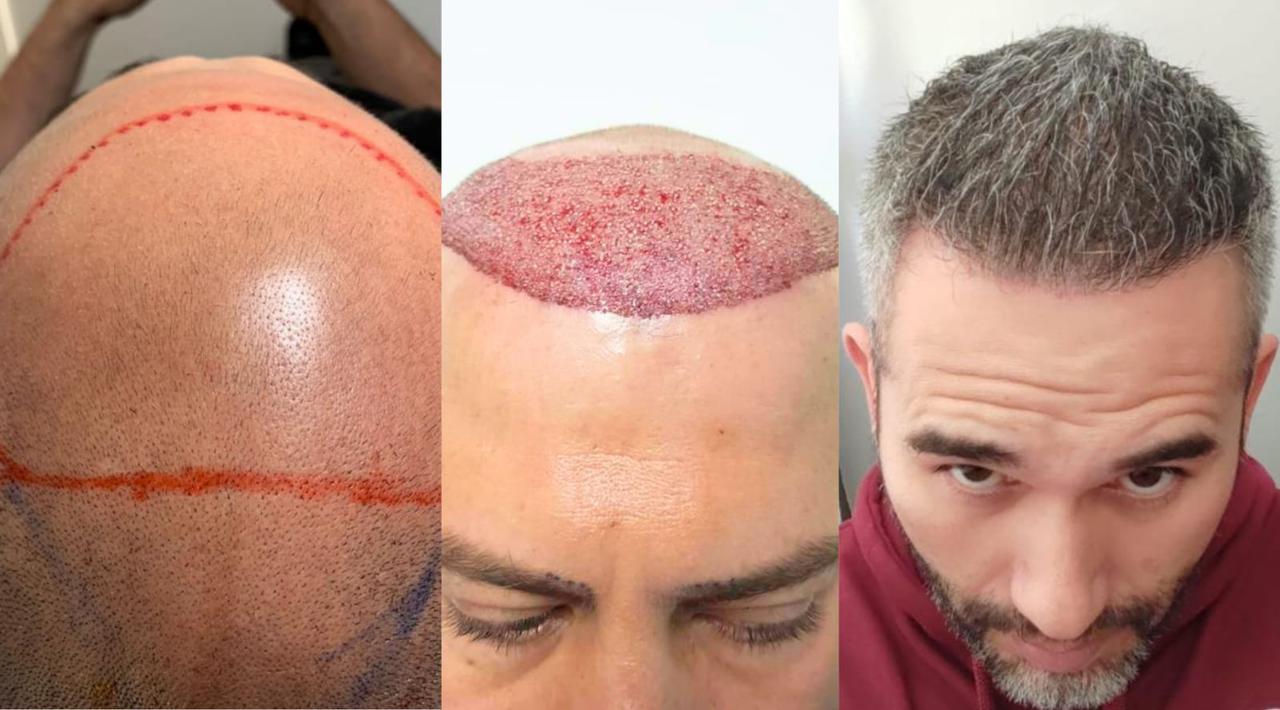
At IHTC, every procedure starts with a personalized hairline design session. Before a single graft is placed, Dr. Erik Yáñez takes facial measurements, including the proportional thirds of the face and the angle of the temples, to decide where your hairline should start, how wide it should be and what shape suits you. Read more about his approach.
Questions to ask about your hairline design
Your hairline is the one thing everyone will see. Ask before anyone draws it.
- Where will my hairline be, and why there?The answer should mention your face, not a template.
- Will it still suit me at 40 or 50?Design for the future face, not just today's.
- Will you keep my temple recesses?Closed temples rarely look natural on men.
- What grafts will you use in the front row?The answer should be single-hair grafts.
- Can I see and approve the design before surgery?You should always approve the line first.
Frequently asked questions
How low can my hairline go?
It depends on your face, age, donor supply and expected future loss. A conservative, mature position almost always ages better, and it can be lowered later if needed.
Can a bad hairline be fixed?
A hairline that's too straight or harsh can often be softened with fine single-hair grafts. A hairline that's too low is much harder to correct and may need graft removal.
Should my temples be filled in?
Usually only partly. Closing the temple recess completely tends to look unnatural on adult men and uses many grafts.
Do I get to approve my hairline?
You should. At IHTC, the design is drawn and discussed with you before surgery begins.

 Balding at 22? Why a good doctor may tell you to wait
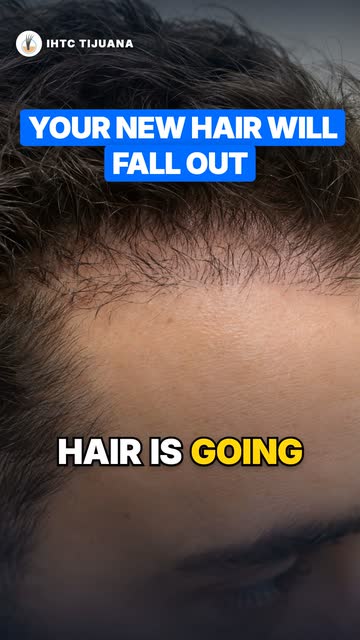 Your new hair WILL fall out. That's normal.
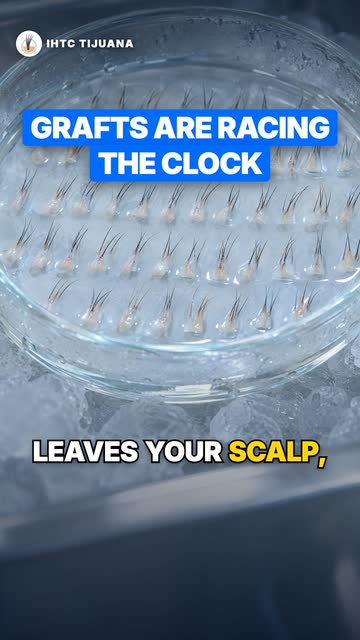 Every graft is racing the clock