Why the hair around your transplant keeps going
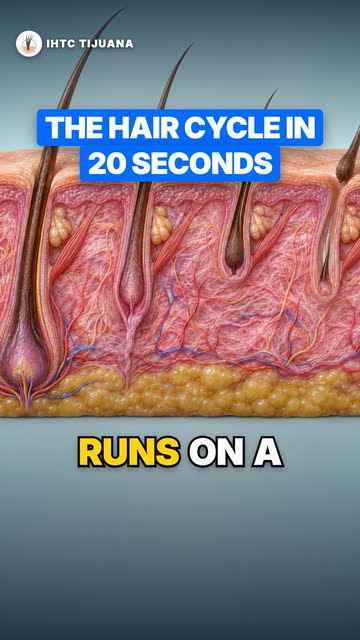
Every follicle runs on a cycle: years of growth, a short transition and a few months of rest before the hair sheds and a new one starts. Pattern baldness shortens the growth phase and shrinks the follicle a little more with each cycle, a process called miniaturization. A transplant doesn't switch that process off in the hair you already have.
What happens if you ignore it
Imagine a transplant that restores the hairline at 30. If the native hair behind it keeps thinning, at 40 you may have a dense strip of hair in front and thin hair behind it. It's one of the most common reasons transplants start to look unnatural years later.
How doctors protect the result
| Approach | What it does | Keep in mind |
|---|---|---|
| Minoxidil | Can prolong the growth phase and help maintain existing hair. | Results last while you use it. Topical and oral forms exist; oral use is a doctor's decision. |
| Finasteride | Reduces DHT, the hormone behind pattern baldness, which can slow or stop further loss. | Prescription only. Possible side effects should be discussed with a doctor before starting. |
| PRP and laser therapy | Sometimes used as add-ons. | Evidence is more mixed. Useful for some patients, not a replacement for proven treatment. |
| Smart surgical design | A hairline and distribution that still look natural if loss continues. | The part only your surgeon can do right on day one. |
None of this is one-size-fits-all. Medication should always be prescribed and monitored by a physician who knows your history.
What a real long-term result looks like
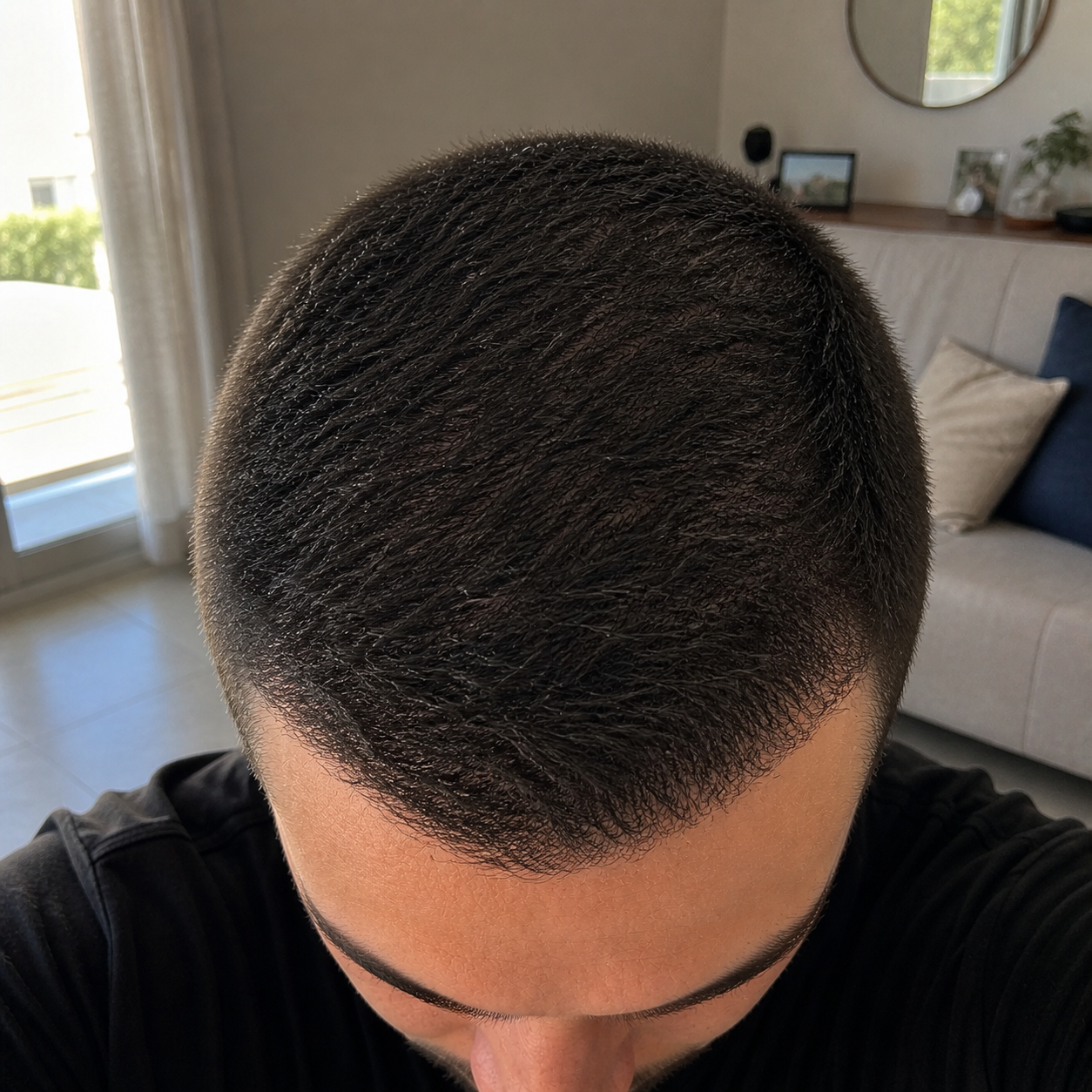
Results develop slowly: new hair starts around month 3 or 4, and the final look takes 12 to 18 months. Protecting the hair around it is what keeps that result looking good for decades.
Ask about the plan after surgery
A transplant is one step. Ask what happens to the rest of your hair.
- What do you expect my native hair to do over the next 10 years?Based on your pattern, age and family history.
- Do you recommend medical treatment in my case, and why?It should be individualized, never automatic.
- How will you design my transplant if my hair loss continues?So it still looks natural later.
- What follow-up is included after surgery?Check-ins should continue past the first weeks.
- When should we review my progress?Photos at 3, 6, 12 and 18 months are a good start.
Frequently asked questions
Will I lose my transplanted hair?
Transplanted hair from the resistant donor area generally stays. It's the surrounding native hair that may keep thinning.
Do I have to take medication after a hair transplant?
Not necessarily. It depends on your diagnosis, age and how active your hair loss is. That's a decision to make with your doctor.
Do I have to take finasteride forever?
Its benefits generally last only while you take it. Whether it's right for you, and for how long, is a conversation with your physician, including possible side effects.
When will I see the final result?
Usually at 12 to 18 months. Read our month-by-month timeline.
 Not all hair loss needs surgery
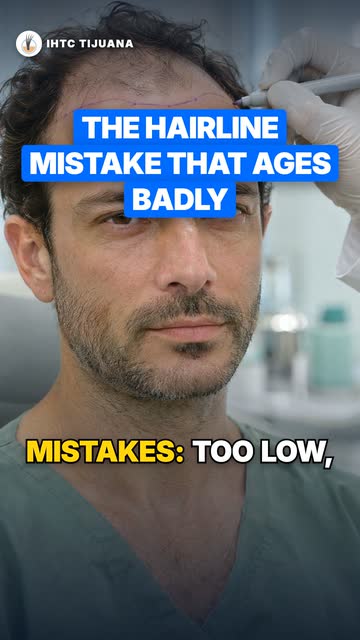
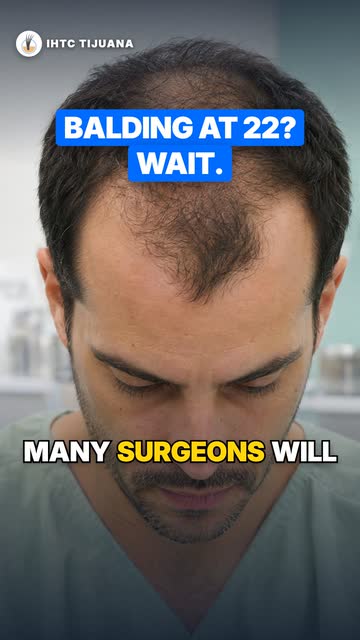 Balding at 22? Why a good doctor may tell you to wait
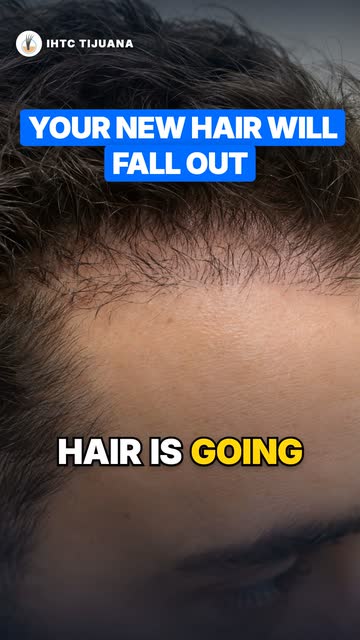 Your new hair WILL fall out. That's normal.