Why half can look like all
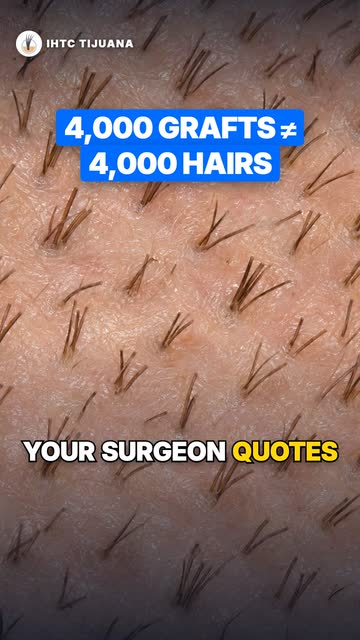
People often don't notice their own thinning until they've lost a large share of the original density in an area. The same principle works in your favor in a transplant: you don't need to rebuild 100% of your original density to get a result that looks full in normal light.
What makes hair cover more
| Factor | Covers more | Covers less |
|---|---|---|
| Thickness (caliber) | Thick hair | Fine hair |
| Curl or wave | Curly or wavy hair | Very straight hair |
| Contrast with skin | Hair close to skin tone, or gray on light skin | Dark hair on very light skin |
| Hairs per graft | Many 2- and 3-hair units | Mostly single hairs |
| Styling | Longer hair, styled forward | Very short, buzzed hair |


How surgeons use this
- Plan for coverage in the areas that matter most visually, usually the front and the top.
- Layer density: soft at the edge, denser behind it, densest in the center.
- Save donor hair for the future instead of chasing maximum density today.
- Match the plan to your hair type, not to a generic graft count.
Questions about density
Ask for a plan built around coverage, not just numbers.
- What density are you aiming for in each zone?Front, top, crown.
- How does my hair type affect coverage?Thickness, curl, color.
- Will this look full in normal daylight?Realistic expectations.
- How many grafts does that save versus maximum density?And what stays for later?
- Could a second session add density later?If needed and if the donor allows.
Frequently asked questions
How much density does a transplant give?
It depends on graft count, area and hair characteristics. The aim is natural-looking coverage, not your original density.
Does curly hair need fewer grafts?
Curly hair often gives more visual coverage per graft, so it can need fewer grafts for the same look.
Why does my thinning show more under bright light?
Strong overhead light increases the contrast between hair and scalp, especially with dark hair and light skin.
Can I get more density with a second session?
Sometimes, if the donor area allows it, usually after the first result has fully matured.
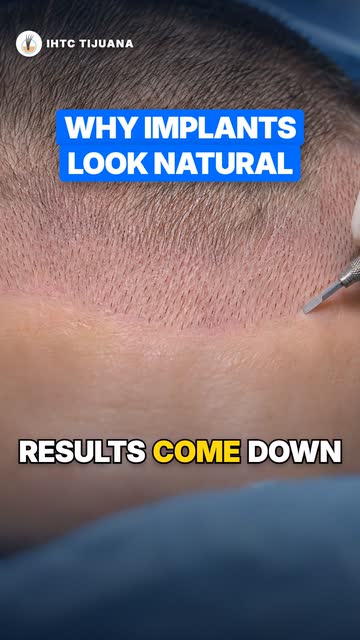 Why good transplants look natural: angle
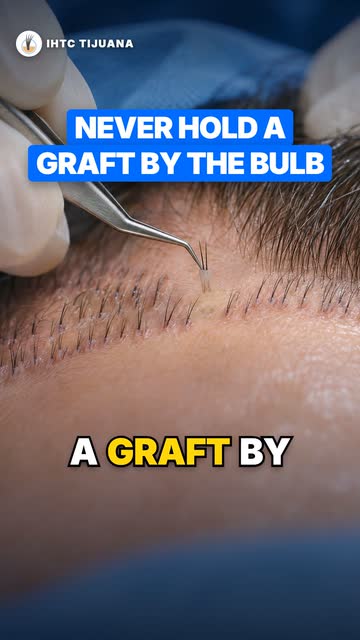 Never hold a graft by the bulb