Hair grows in patterns
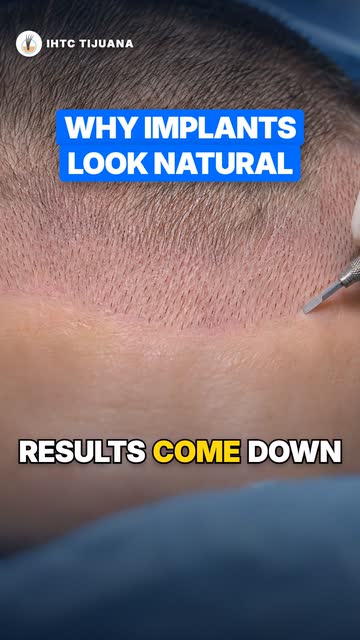
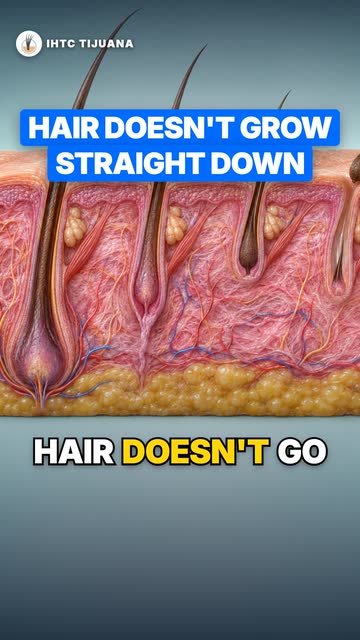
Every area of the scalp has its own natural angle and direction. If grafts are placed at the wrong angle, hair sticks straight up, catches the light differently and won't lie down when styled. That's often what makes people say a transplant "looks done".
| Area | Natural angle | Direction |
|---|---|---|
| Hairline | About 15–20° to the skin | Forward |
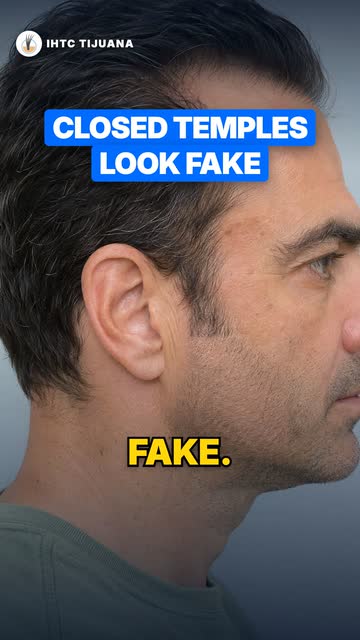
| Temples | Almost flat | Down and back |
| Top | Gradually more upright | Forward, then toward the crown |
| Crown | Varies | A swirl (whorl) radiating outward |
Where the angle is decided
The angle and direction of each hair are set when the recipient sites, the tiny incisions, are made, or when the implanter enters the skin in DHI. That's why this step is so important and why it's one of the questions to ask: who makes the incisions?
Questions about angle and direction
These details are what make a transplant undetectable.
- Who decides the angle and direction of each graft?And who makes the incisions?
- How do you handle the temples?Almost flat, pointing down and back.
- How do you recreate my crown's swirl?It should follow your own pattern.
- Will I be able to style my hair as I do now?Direction should match your natural growth.
- Can I see close-up results?The hairline from the side shows angle best.
Frequently asked questions
Why does some transplanted hair stick up?
Usually because grafts were placed too upright or in the wrong direction for that area.
Can the angle be corrected later?
Not easily. Badly angled grafts sometimes need to be removed and replaced.
Does DHI control the angle better?
An implanter lets the surgeon set angle and depth as the graft is placed. In skilled hands both DHI and pre-made sites can produce natural angles.
Does my crown swirl matter?
Yes. The crown should follow your natural whorl so the hair falls correctly.

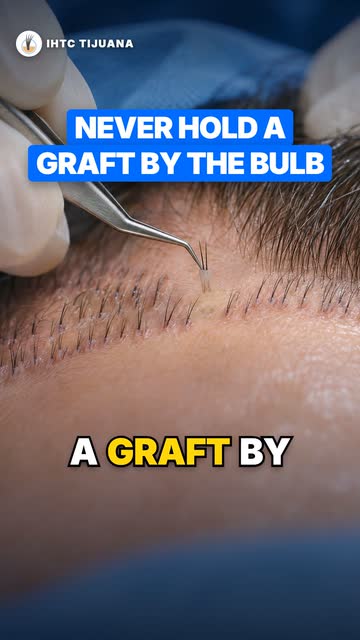 Never hold a graft by the bulb
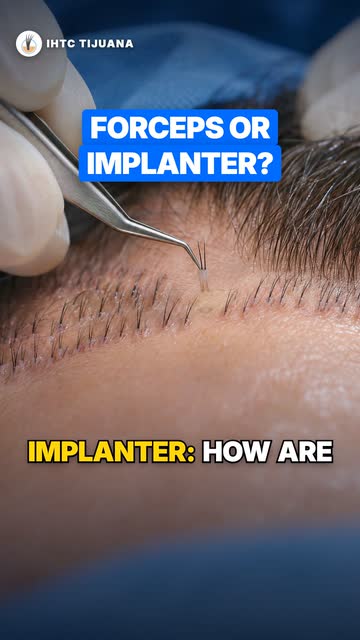 Forceps or implanter: how grafts are placed
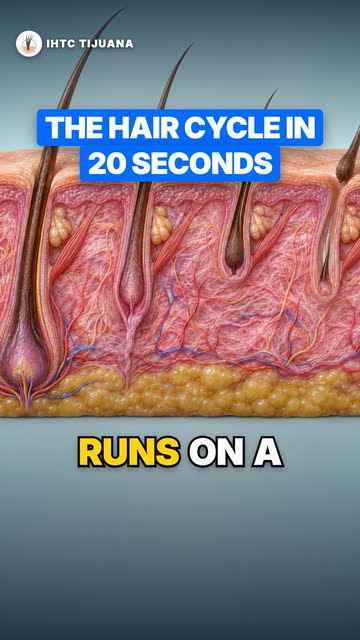 The hair cycle in 20 seconds (and why it matters to you)