A hair transplant is three surgeries in one
When people picture a hair transplant, they picture one person doing one thing. In reality it's a long procedure, often a full day, made of three distinct steps. Each one can make or break your result, and each one can be handled by a different person.
| Step | What happens | Why it matters |
|---|---|---|
| 1. Extraction | Follicular units are removed from the donor area (back and sides) with a punch under 1 mm. | Poor technique cuts follicles (transection) or overharvests the donor area permanently. |
| 2. Recipient sites | Tiny incisions are made where the new hair will grow. Their angle, direction and density are set here. | This step designs your result: hairline shape, naturalness, density. It's medical and artistic judgment. |
| 3. Placement | Each graft is placed into its site with forceps or an implanter. | Rough handling, drying or crushing grafts means hair that never grows. |
The question isn't whether a team is involved. Every serious clinic works with a trained team. The question is who makes the medical decisions and the incisions, and whether a licensed doctor is present and accountable for your surgery.
The "black market" hair transplant problem
The International Society of Hair Restoration Surgery (ISHRS), the main professional body in the field, uses the term black-market clinic for its worst form: a clinic where no physician is involved in the surgery, while the patient is told otherwise.
Those numbers come from the ISHRS 2025 Practice Census. Repairs are slow, expensive, and limited by whatever donor hair the first surgery left behind. That's why choosing right the first time matters so much.
Red flags to watch for
- You never speak to a doctor before paying. Only a "coordinator" or salesperson answers your questions.
- Nobody can tell you the surgeon's full name, or the name changes depending on who you ask.
- The price is dramatically lower than the rest of the market, often bundled with hotel, transfers and tourism.
- Huge graft counts are promised in a single day without anyone examining your donor area.
- Several patients are scheduled at the same time and the clinic dodges the question of how many surgeries happen per day.
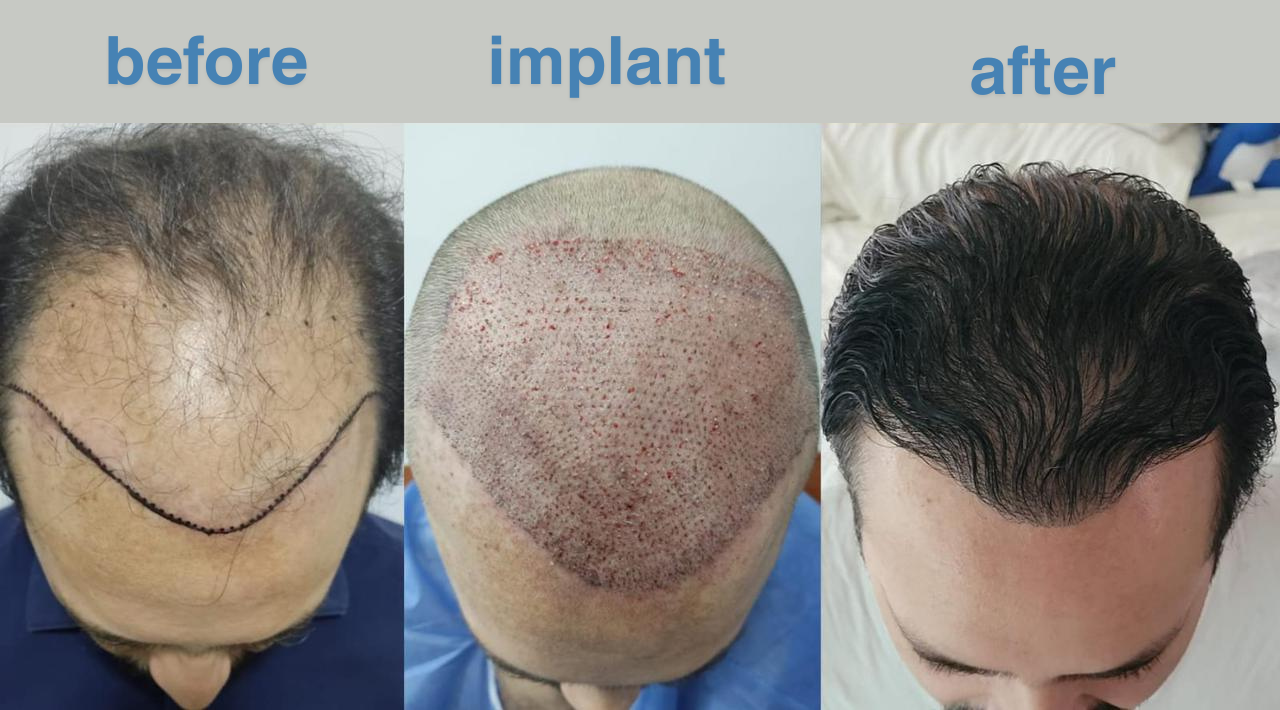
- Before-and-after photos look generic, are watermarked from other clinics, or never show the donor area.
- Pressure to pay a deposit "today only" before any evaluation.
How to verify a doctor in Mexico
Every licensed physician in Mexico has a cédula profesional, a professional license number issued by the Secretaría de Educación Pública (SEP). You can look it up for free in the SEP's national registry of professionals by searching the doctor's full name. Ask the clinic for:
- The full name of the doctor responsible for your surgery.
- Their cédula profesional number, and check it yourself.
- The address of the facility where surgery happens. A real medical building, not a hotel room or an apartment.
At IHTC, surgery happens at New City Medical Plaza in Tijuana, under Dr. Erik Yáñez, a UABC-trained physician with a verified cédula. Ask us for it. We'll send it gladly.
Ask any clinic these before you pay
Including us. A trustworthy clinic answers all of them quickly and in writing.
- Who makes the recipient-site incisions?This step designs your hairline and density.
- Who extracts the grafts, and who places them?Ask for names and roles, not "our team".
- Will the doctor be in the room during my surgery?Present and accountable, not just signing the paperwork.
- What is the doctor's cédula profesional?Verify it in the SEP registry yourself.
- How many surgeries does the team do per day?One patient at a time means full attention.
Frequently asked questions
Is it normal for technicians to help in a hair transplant?
Yes. Reputable clinics work with trained technicians who assist, for example in preparing or placing grafts under a physician's supervision. The problem is when the medical decisions and the surgery itself are handed to unlicensed people with no doctor present.
What is a black-market hair transplant clinic?
The ISHRS uses the term for clinics where unlicensed, untrained people perform hair transplant surgery, often with no physician involved, while the patient is misled about it. Many of these clinics advertise very low prices and travel packages.
How do I check a Mexican doctor's license?
Ask for the doctor's full name and cédula profesional, then search it in the SEP's national registry of professionals (Registro Nacional de Profesionistas). It's free and public.
Are hair transplants in Tijuana safe?
They can be, as long as you choose a licensed physician working in a proper medical facility. Read our guide on Tijuana hair transplant safety for a full checklist.
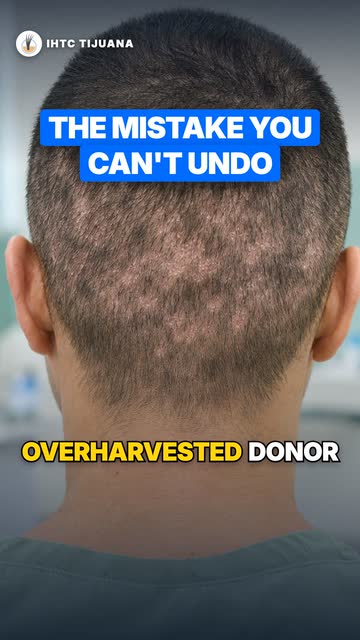 Overharvesting: the mistake you can never undo
 A hair transplant doesn't create a single new hair
 Your donor hair is a bank account, not a fountain