A little anatomy
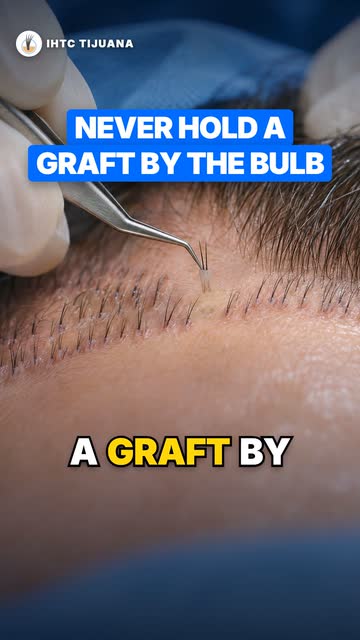
A graft is more than a hair. At its base is the bulb, which contains the dermal papilla, the structure that drives hair growth. Around the follicle there's a thin layer of protective tissue. That tissue is the safe place to hold it.
The three ways grafts get damaged
- Crushing: squeezing the bulb with forceps.
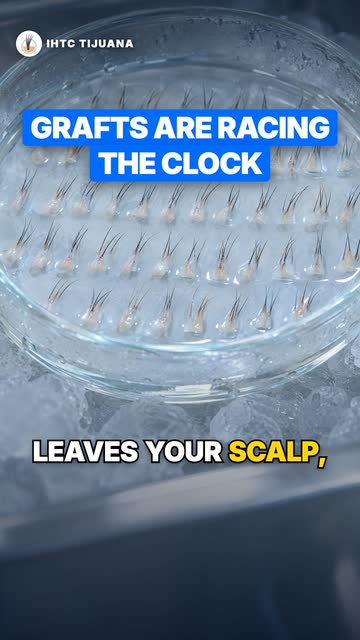
- Drying: even a short time without moisture can injure a graft. Why every graft races the clock.
- Forcing: pushing a graft into a site that's too small, or bending it on the way in.
Speed vs. careA team trying to place a huge number of grafts as fast as possible has less margin for gentle handling. Ask how many grafts a day they place and how many people are on the team.
How careful teams protect grafts
- Holding grafts by the surrounding tissue with fine instruments.
- Keeping grafts in solution until the moment of placement.
- Making recipient sites the right size for each graft.
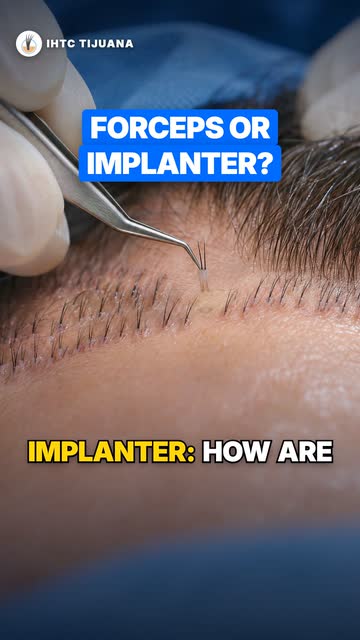
- Using implanters, as in DHI, which load the graft into a needle and protect the bulb during insertion.
Want to know how we handle grafts?Ask us anything about placement, tools and the team.
Ask on WhatsAppQuestions about handling
Handling happens thousands of times in one surgery.
- How are grafts held during placement?By the surrounding tissue.
- Do you use forceps, implanters or both?And why?
- How long are grafts out of solution?As little as possible.
- How many people place grafts, and how trained are they?Experience matters.
- How many grafts do you place per day?Speed shouldn't beat care.
Frequently asked questions
What is the dermal papilla?
A structure at the base of the follicle that drives hair growth. Damaging it can stop the hair from growing.
Can grafts be damaged during placement?
Yes, by crushing, drying or forcing them. Careful handling prevents it.
Is DHI gentler on grafts?
The implanter can reduce forceps contact with the bulb. Both methods work well with skilled teams.
Why don't all grafts grow?
Common causes include transection, dehydration, crushing and too much time out of the body.
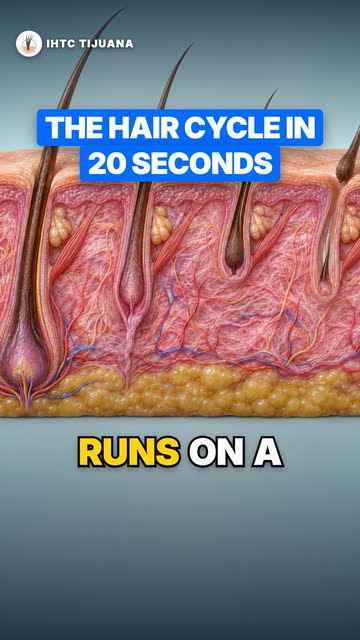 The hair cycle in 20 seconds (and why it matters to you)
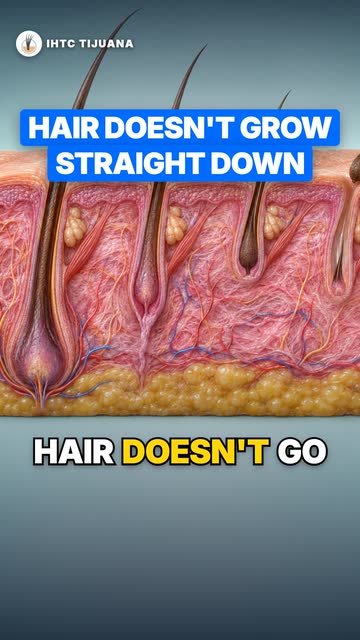 Hair doesn't grow straight down
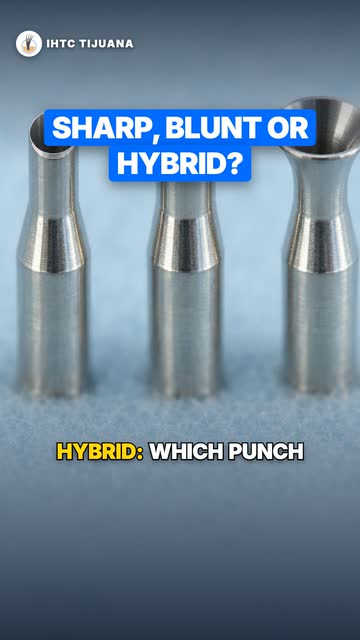 Sharp, blunt or hybrid punch?