What's happening under the surface
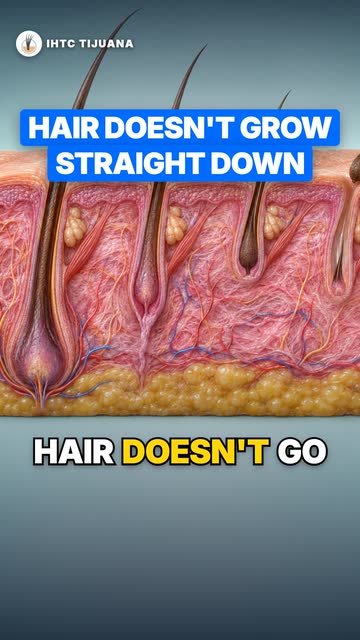
A follicle isn't a straight tube. It often changes angle between the skin surface and the bulb at the bottom. In units with 2, 3 or 4 hairs, the hairs share an opening at the surface but their bulbs can splay apart deeper down. Curly and afro-textured hair can curve even more under the skin.
Why it matters in FUE
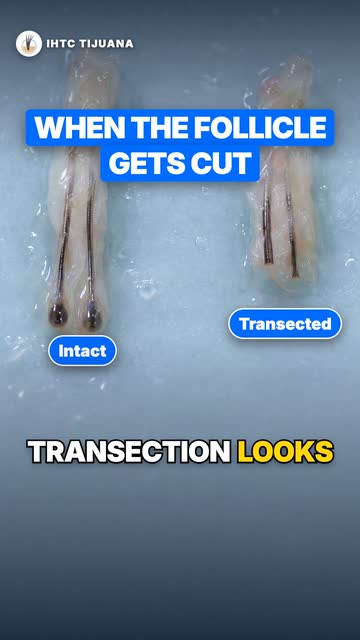
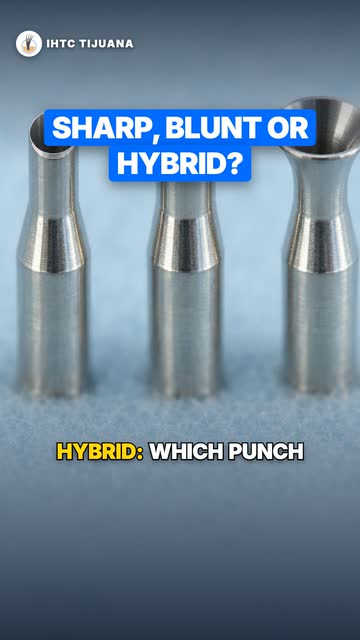
In FUE, a tiny punch cuts around each unit so it can be lifted out. If the punch follows the surface angle but the follicle bends below it, the edge of the punch can slice through the follicle. That's called transection, and a cut graft may not grow.
How skilled teams handle it
- Test extractions at the start to learn how your follicles behave.
- Adjusting punch depth so it scores the skin without going deep enough to cut the bulbs.
- Adjusting angle and punch type as they move across the donor area.
- Checking grafts under magnification throughout the procedure.
Questions about extraction
Most of the skill in FUE is invisible. Ask about it.
- Do you do test extractions to check my follicles?Every scalp is different.
- How do you adjust if grafts start coming out cut?Depth, angle, punch.
- Do you check grafts under magnification?Throughout, not just at the end.
- How do you handle curly or textured hair?It curves more under the skin.
- Who performs the extraction?Skill decides the result.
Frequently asked questions
Why is FUE extraction difficult?
Because the follicle's path under the skin isn't visible and often differs from the angle at the surface.
Is curly hair harder to transplant?
It can be, because follicles curve more under the skin. It requires adapted technique but can give excellent coverage.
What happens if a follicle is cut?
A transected graft may not grow, which wastes donor hair.
Can the surgeon see the follicle?
Not under the skin. They infer its path from the surface angle and from test extractions.
 Your first days after surgery matter more than you think
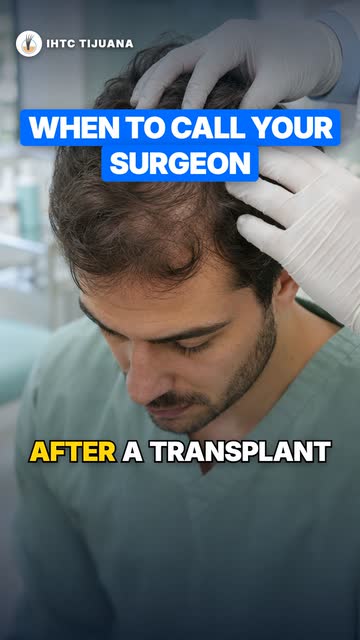 When to call your surgeon
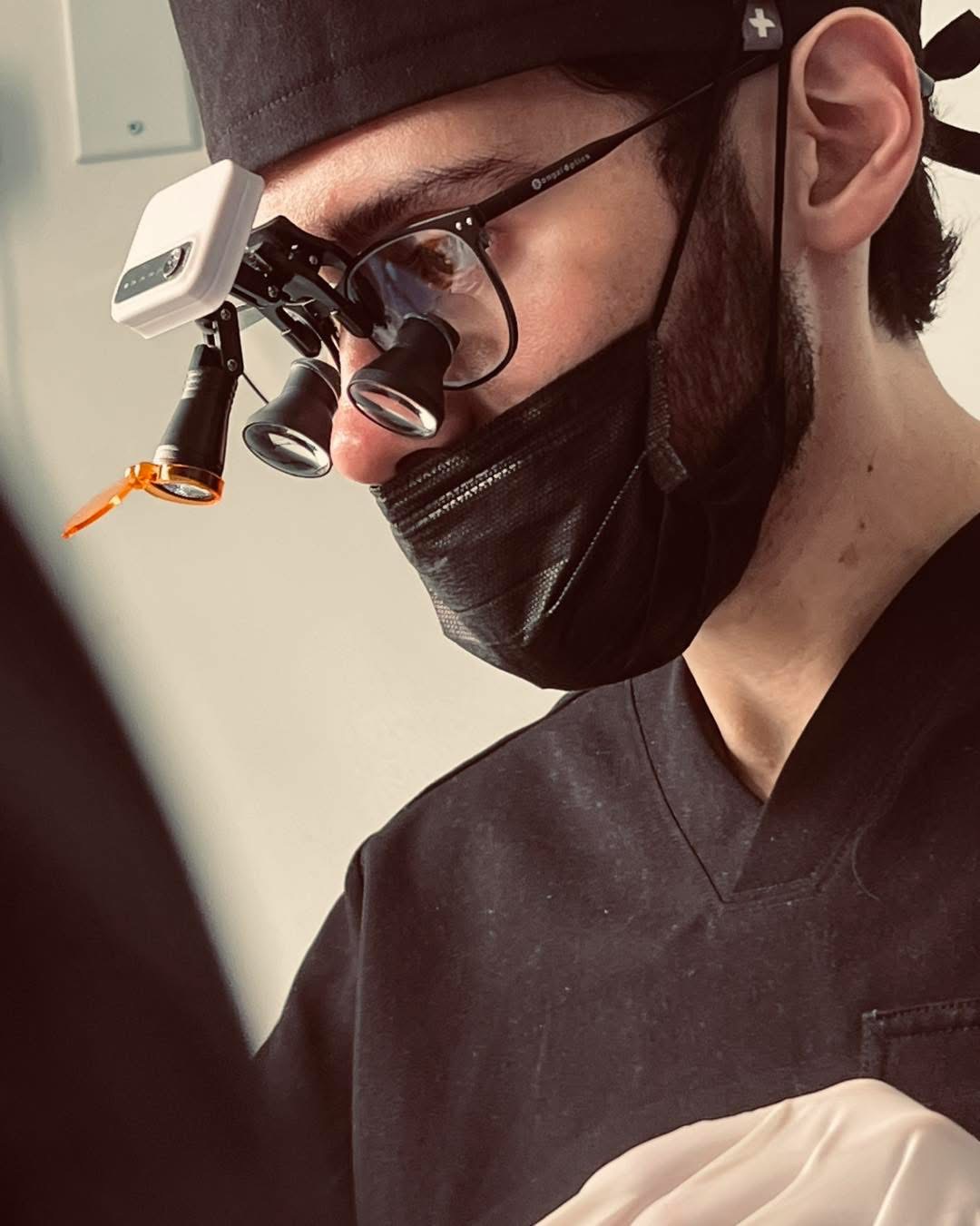
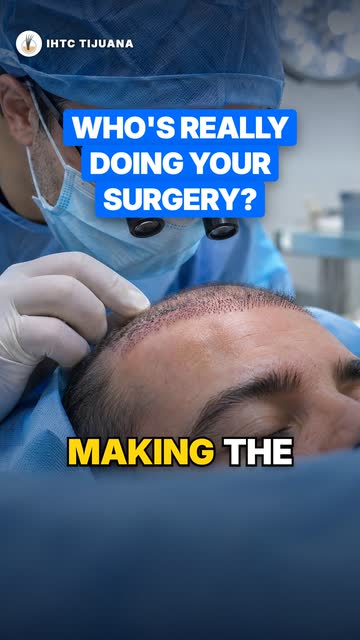 Your surgeon might not be the one operating