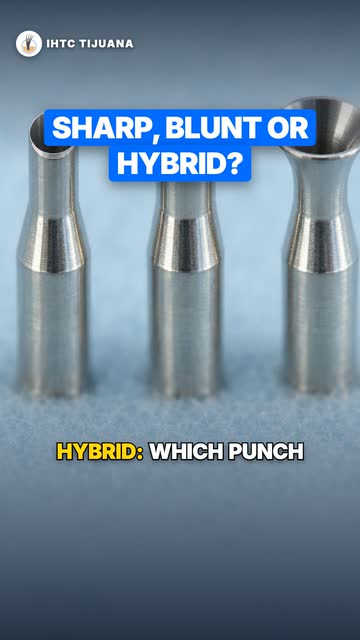
The three main types
| Punch | Advantage | Trade-off |
|---|---|---|
| Sharp | Cuts the skin easily and precisely | More risk of slicing the follicle if the angle is off |
| Blunt | Tends to push follicles aside instead of cutting them | Needs more force; can be harder in some skin types |
| Hybrid | Sharp outer edge to enter the skin, blunt inner edge to protect the follicle | Still depends on the operator's technique |
Size and motion matter too
- Diameter: smaller punches leave smaller scars but can cut more follicles if they're too small for your units.
- Manual or motorized: motorized devices can rotate or oscillate; each needs the right speed and depth.
- Depth: going only deep enough to free the unit protects the bulbs.
What really mattersThe best punch is the one that gives the lowest transection for your skin and hair, chosen and adjusted by an experienced operator. Learn about transection.
Questions about extraction?Ask us about the tools and technique we'd use for your hair.
Ask on WhatsAppQuestions about the tools
You don't need to be an expert, just ask how they decide.
- What punch size and type do you use?And why for my hair?
- Do you adjust the punch during surgery?Different zones can need different settings.
- Manual or motorized extraction?Both can work in skilled hands.
- How do you keep transection low?Magnification and adjustment.
- How visible will the dot scars be?Depends on punch size and number.
Frequently asked questions
What size is an FUE punch?
Usually under 1 mm in diameter, chosen according to the size of the follicular units.
Do smaller punches leave smaller scars?
Yes, but if too small for your units they can cut more follicles. It's a balance.
Which punch is best?
There's no universal best. The right one depends on your skin, hair and the operator's technique.
Is motorized FUE better than manual?
Both can give excellent results. What matters is the operator's skill and settings.

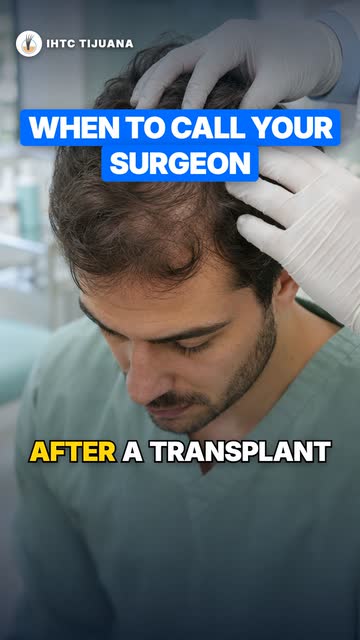 When to call your surgeon
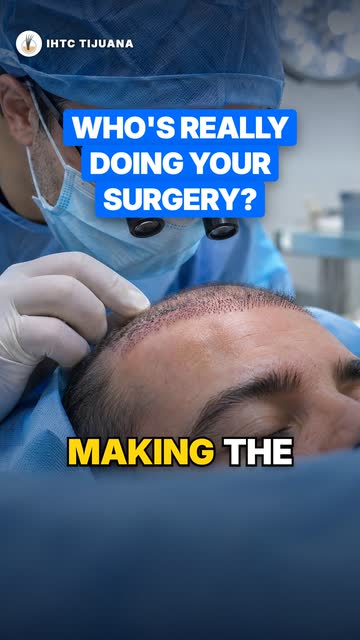 Your surgeon might not be the one operating
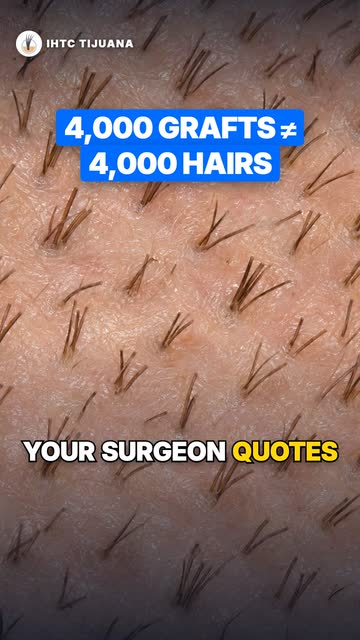 4,000 grafts is not 4,000 hairs